Cessna 172RG Rear RH Baffle Assembly
Cessna 172RG Rear RH Baffle Assembly
Blog Article
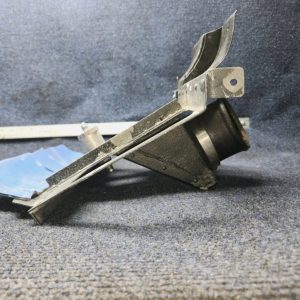
P/N 2455038-2 should be selected only after confirming aircraft serial applicability, engine configuration, mounting geometry, material condition, and included hardware.
Accurate use of Cessna 172RG Rear Right-Hand Baffle, Cessna 172RG Engine Baffle, and Cessna 172RG Cooling Baffle terminology improves SEO without overstating fitment.
The Cessna 172RG Baffle Assembly works with surrounding seals and panels, while the Rear RH Engine Baffle should not be evaluated as an isolated piece.
A Cessna Engine Cooling Baffle, Cessna 172RG Engine Compartment Parts package, Aircraft Cooling Air Baffle, and Cessna 172RG Airflow Baffle contribute to controlling how cooling air moves around the installed engine.
Whether marketed as an Engine Cooling Baffle Assembly, Cessna Cutlass Cooling System Part, or Cessna 172RG Replacement Baffle, the component should receive individual inspection.
Why Exact Baffle Part Numbers Matter
Complete part-number verification reduces incorrect purchasing and unnecessary installation work.
The right-hand orientation and rear engine-compartment location should be verified before shipment or installation.
Function of the Rear Right-Hand Baffle
The rear right-hand baffle helps guide cooling air through intended paths around the engine installation rather than allowing it to escape through uncontrolled gaps.
Engine condition, instrumentation, seals, cowling, operations, and surrounding baffles should be considered during troubleshooting.
Cessna 172RG and Cutlass Compatibility
A rear right-hand baffle should not be advertised as suitable for every Cessna 172 model merely because the aircraft share a related airframe family.
Qualified maintenance personnel should determine whether the component is suitable for installation.
Understanding Formed Aluminum Cooling Panels
A visually similar sheet-metal component should not be substituted using unverified material or dimensions.
Small distortions may create air gaps, cowling interference, fastener misalignment, or stress around mounting points.
Aircraft Cooling Component Inspection
Inspection should begin with the baffle clean enough to reveal cracks, corrosion, dents, distortion, elongated holes, fretting, damaged flanges, broken brackets, and previous repairs.
Previous patches, stop-drilled cracks, replacement brackets, welds, or enlarged holes should be documented.
Baffle Seal Condition and Air Leakage
Torn, hardened, curled, shortened, oil-soaked, missing, or incorrectly oriented seals can reduce the effectiveness of the cooling system.
Careful seal fitting supports more consistent cooling-air control.
Engine Compartment Contamination Concerns
Professional corrosion treatment helps preserve the remaining baffle within acceptable limits.
Responsible corrosion prevention supports long-term component value.
Cessna Engine Baffle Mounting Condition
Detailed attachment-point inspection supports accurate repair planning.
The replacement assembly should align with surrounding parts without using fasteners to pull severely mismatched sections together.
Cessna Cutlass Cooling System Components
Every supporting component should be identified by part number, position, condition, and required quantity.
Clear component control reduces accidental installation of unverified engine-compartment parts.
Diagnosing Cessna 172RG Cooling Concerns
Complete troubleshooting helps prevent unnecessary replacement and repeated maintenance.
System-level diagnosis supports responsible engine cooling maintenance.
Rear RH Baffle Replacement Versus Repair
The decision to repair or replace a damaged baffle depends on crack location, corrosion, deformation, missing material, hole condition, previous repairs, and available technical data.
The completed component should be inspected before installation.
Commercial Value of the Cessna 172RG Baffle
Components with clear donor-aircraft information, current photographs, and transparent condition descriptions are easier read more for professional buyers to evaluate.
Accurate commercial information supports responsible Cessna 172RG Replacement Baffle transactions.
Aircraft Engine Baffle Pre-Purchase Guide
The buyer should request enough information for qualified maintenance personnel to evaluate the component before purchase.
- Confirm the complete part number, donor-aircraft model, donor serial number, rear right-hand position, engine configuration, modification status, and available traceability.
- Arrange qualified evaluation whenever geometry, material loss, repair quality, or installation suitability remains uncertain.
- Retain purchase records, photographs, measurements, traceability information, inspection findings, repair data, and shipping documents with the project file.
Aircraft Cooling Baffle Packaging
Loose seals and hardware should be bagged, labeled, and secured separately.
Responsible storage preserves the future usability and commercial value of the Cessna 172RG Airflow Baffle.
Completing a Rear Baffle Replacement
Any mismatch should be investigated rather than corrected through uncontrolled force or modification.
Correct workmanship supports a secure and effective cooling-air boundary.
P/N 2455038-2.
Protecting Aircraft Cooling Components
Cleaning should preserve evidence long enough for maintenance findings to be documented.
Protective finishes should be maintained so exposed material does not remain vulnerable to moisture and contaminants.
Cessna 172RG Baffle Assembly Conclusion
P/N 2455038-2 may suit aircraft owners, maintenance facilities, repair organizations, restoration specialists, and parts suppliers seeking a correctly identified engine baffle.
The baffle should be judged according to complete installation suitability rather than clean appearance, general Cessna similarity, donor-aircraft status, or purchase price alone.
Whether the component is purchased for scheduled maintenance, corrosion replacement, cooling-system repair, accident recovery, restoration, or spare-parts support, transparent information and professional oversight provide the strongest foundation.
With verified identity, suitable material condition, accurate geometry, professional installation, organized documentation, and routine inspection, the baffle can provide dependable long-term value.
Report this page